BUYING YOUR FIRST MOTORCYCLE: EVERYTHING YOU NEED TO KNOW 2
Dual-sport
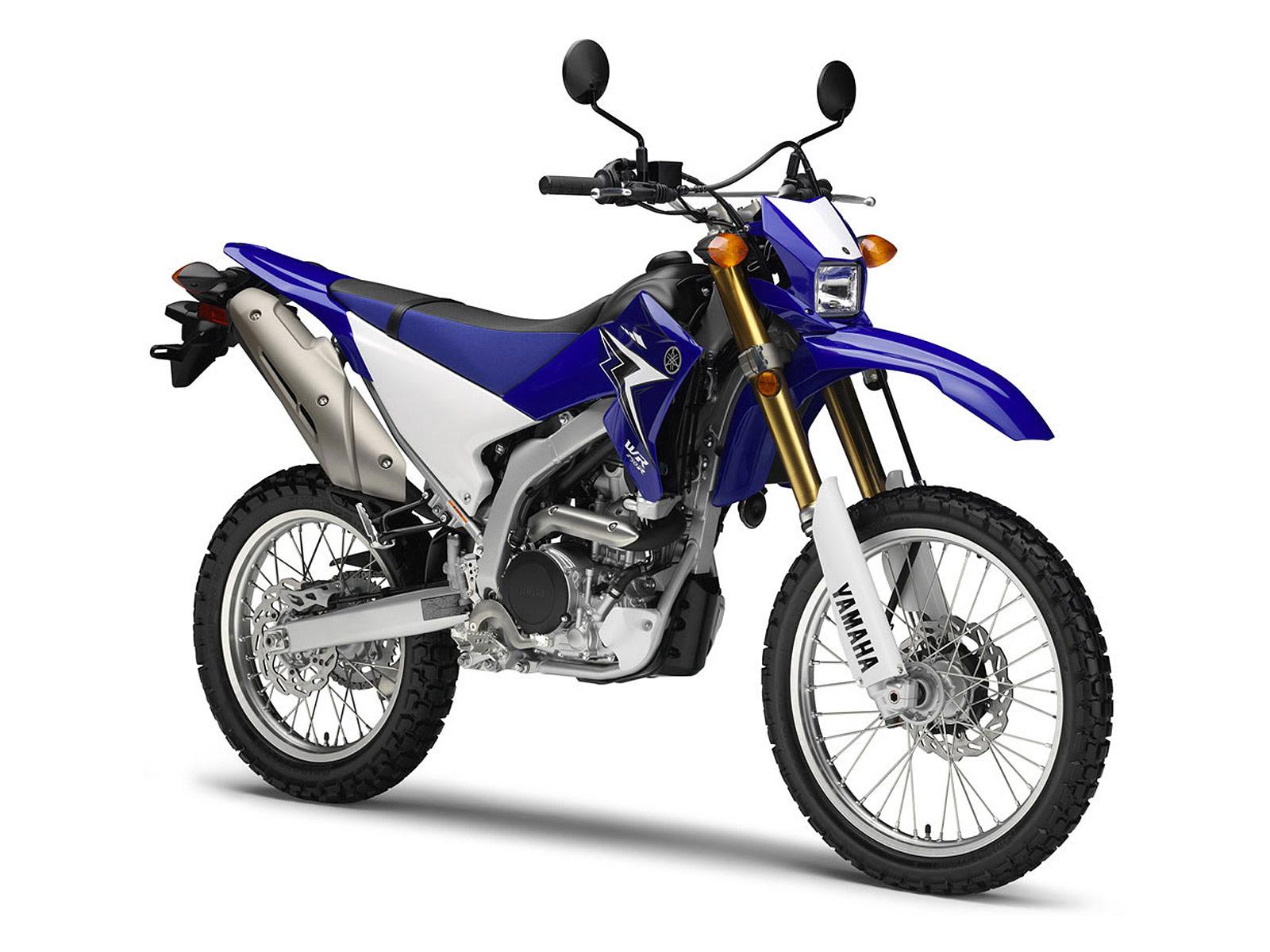
At their most basic, dual-sports are just dirtbikes — which are generally illegal to ride on public roads — with some mirrors and lights slapped on to make them street-legal. “Supermoto” bikes also fall into this category, with the added change of street-only tires, as opposed to dual-sports’ knobby tires. Because dual-sport bikes often have smaller engines and are light-weight, they are a good option for new riders. But if you’re short beware: Most dual-sports have very high seats. If you can’t put both feet down when stopped, the bike is too tall for you to ride safely. There are some options, of course, such as the Yamaha TW200, which is a great beginner bike but not exactly a powerhouse. It’s also possible to get lowering kits for some bikes, or to buy a dual-sport with a lowering kit already installed.Standard
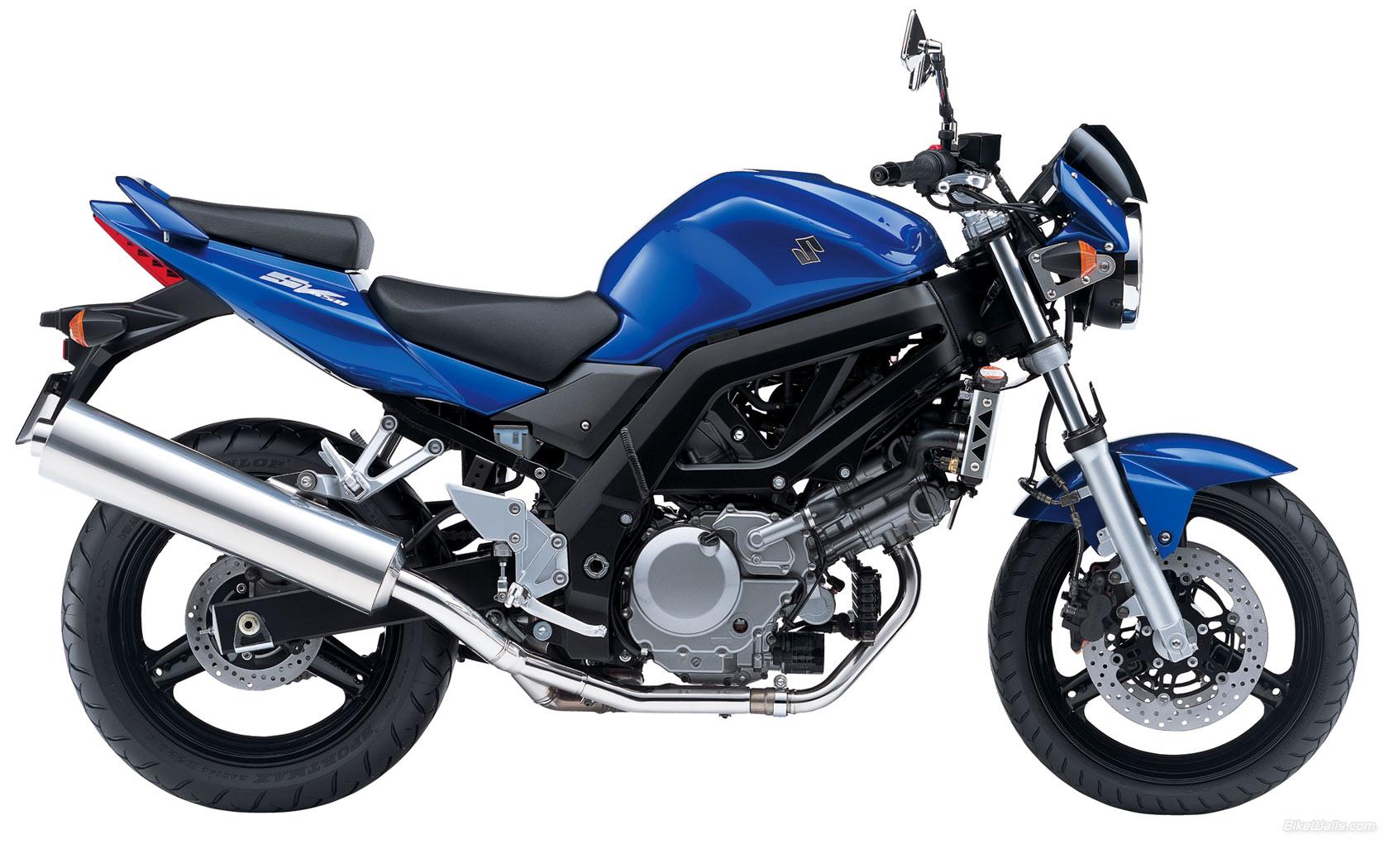
This category is filled with bastards, the mutts whose DNA contains elements from the previous four. Many of the most common bikes you’ll see fall into the “standard” camp. They generally have a more upright riding position than a cruiser (which leans you back) or a sportbike (which leans you forward). Engine sizes vary wildly with standards, but usually don’t edge into the super-high range.
Standards are often good, all-around kind of bikes, and easily top our list of the best bikes for beginners; it’s easy to find one without any extreme features that could pose a hindrance or danger while you’re learning the ropes.
Weight: The weight of a bike matters for a number of reasons. Heavier bikes are better for highway riding (the first time a semi passes you going 75, you’ll understand what we mean), but can be more difficult to maneuver. Also, if you drop your bike — which will happen — or if it gets knocked over when parked, you need to be able to get it upright without the help of someone else. And that’s especially true should a drop happens while you’re all alone. So make sure to take your strength into consideration before opting for a big, heavy machine. (Though with the right technique, even a tiny person can get a behemoth Harley upright.)
At their most basic, dual-sports are just dirtbikes — which are generally illegal to ride on public roads — with some mirrors and lights slapped on to make them street-legal. “Supermoto” bikes also fall into this category, with the added change of street-only tires, as opposed to dual-sports’ knobby tires. Because dual-sport bikes often have smaller engines and are light-weight, they are a good option for new riders. But if you’re short beware: Most dual-sports have very high seats. If you can’t put both feet down when stopped, the bike is too tall for you to ride safely. There are some options, of course, such as the Yamaha TW200, which is a great beginner bike but not exactly a powerhouse. It’s also possible to get lowering kits for some bikes, or to buy a dual-sport with a lowering kit already installed.Standard
This category is filled with bastards, the mutts whose DNA contains elements from the previous four. Many of the most common bikes you’ll see fall into the “standard” camp. They generally have a more upright riding position than a cruiser (which leans you back) or a sportbike (which leans you forward). Engine sizes vary wildly with standards, but usually don’t edge into the super-high range.
Standards are often good, all-around kind of bikes, and easily top our list of the best bikes for beginners; it’s easy to find one without any extreme features that could pose a hindrance or danger while you’re learning the ropes.
KEY FEATURES
Unfortunately, there is no clear category for beginner bikes. But here are some of the key factors you should take into consideration while searching for your first set of wheels:
Engine size: Motorcycle engine size is (almost always) measured in cubic centimeters (CCs). This refers to the volume inside the part of the engine where the air and fuel mix to create the explosion that powers the bike forward. More CCs does not necessarily mean one bike is faster than another with a “smaller displacement” (fewer CCs) engine. A well-tuned, precisely engineered motor will outgun a more casual set-up every time. For instance, a sportbike like the Kawasaki Ninja 650 — which has a 650cc engine — can blow the wheels off a 750cc cruiser, thanks to more precise tuning.
Note: The approximate engine size is most often part of the name of the bike, so nearly anytime you recognize a number in the name, it probably refers to the bike’s engine size — though not always.
Engine size: Motorcycle engine size is (almost always) measured in cubic centimeters (CCs). This refers to the volume inside the part of the engine where the air and fuel mix to create the explosion that powers the bike forward. More CCs does not necessarily mean one bike is faster than another with a “smaller displacement” (fewer CCs) engine. A well-tuned, precisely engineered motor will outgun a more casual set-up every time. For instance, a sportbike like the Kawasaki Ninja 650 — which has a 650cc engine — can blow the wheels off a 750cc cruiser, thanks to more precise tuning.
Note: The approximate engine size is most often part of the name of the bike, so nearly anytime you recognize a number in the name, it probably refers to the bike’s engine size — though not always.
Seat height: Seat height is quite important, whether you’re a beginner or not. As mentioned, both feet should touch the ground when sitting at a stop on your bike. Conversely, if you’re tall, a bike with a low seat height is going to be uncomfortable, and probably make you look a bit silly. To gauge what seat height range is good for you, measure the inseam of your leg, from the bottom of your foot to your groin. Any bike with a seat that’s taller than your inseam is probably too tall.
An even better tactic is to go to a dealership and try out a lot of bikes to see which one feels solid while sitting. Once you find one that works well, ask what its seat height is and look for bikes in that range.
An even better tactic is to go to a dealership and try out a lot of bikes to see which one feels solid while sitting. Once you find one that works well, ask what its seat height is and look for bikes in that range.
Weight: The weight of a bike matters for a number of reasons. Heavier bikes are better for highway riding (the first time a semi passes you going 75, you’ll understand what we mean), but can be more difficult to maneuver. Also, if you drop your bike — which will happen — or if it gets knocked over when parked, you need to be able to get it upright without the help of someone else. And that’s especially true should a drop happens while you’re all alone. So make sure to take your strength into consideration before opting for a big, heavy machine. (Though with the right technique, even a tiny person can get a behemoth Harley upright.)
Post a Comment